Showing posts with label Mark Antony. Show all posts
Showing posts with label Mark Antony. Show all posts
Monday, March 16, 2015

Wednesday, March 12, 2014
"For I have neither wit, nor words, nor worth, Action, nor utterance, nor the power of speech, To stir men's blood"
Caesar was told, "Beware the Ides of March." Currently, our nation's leader is anxiously anticipating March 31st: the deadline for enrollment in the Affordable Care Act. The Obama administration hopes to have 6 million Americans enrolled prior to this date, and preferrably, 6 million young Americans. Currently, approximately 4.2 million Americans are enrolled--it's crunch time.
Let's read a bit about this deadline:
http://www.cleveland.com/open/index.ssf/2014/03/affordable_care_act_enrollment.html
Now, as you most likely know, President Obama recently appeared on the Funny or Die program, "Between Two Ferns," hosted by Zach Galifianakis of Hangover fame. Let's watch the interview.
Now, what is the President's purpose in doing this interview?
Is this the type of video that will appeal primarily to a younger demographic?
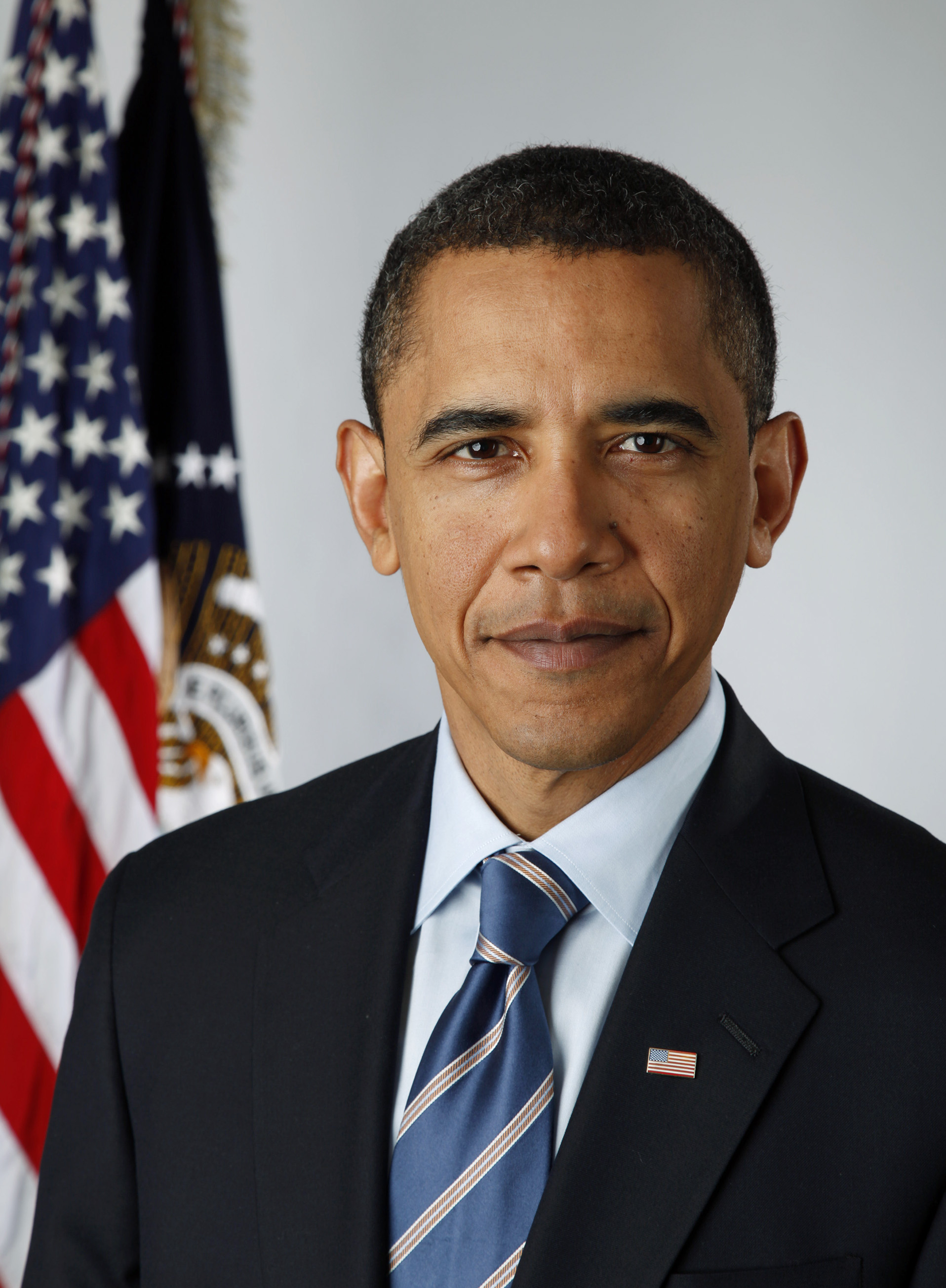
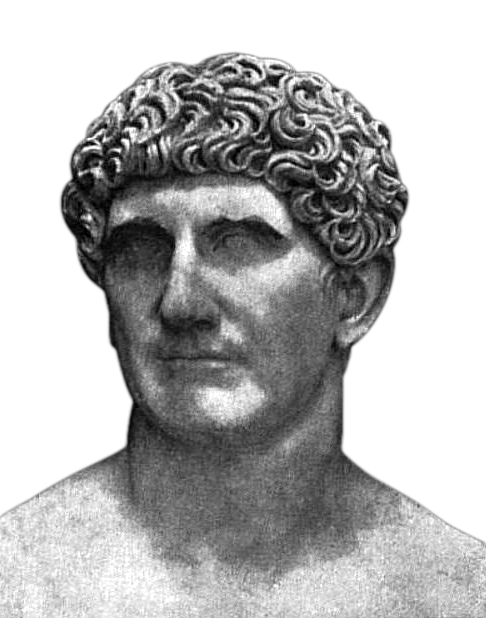
Is President Obama in any way similar to Mark Antony?
Is there an ironic gap between his public persona and his actual political agenda?


Let's read a bit about this deadline:
http://www.cleveland.com/open/index.ssf/2014/03/affordable_care_act_enrollment.html
Now, as you most likely know, President Obama recently appeared on the Funny or Die program, "Between Two Ferns," hosted by Zach Galifianakis of Hangover fame. Let's watch the interview.
http://www.youtube.com/watch?v=UnW3xkHxIEQ
Now, what is the President's purpose in doing this interview?
Is this the type of video that will appeal primarily to a younger demographic?
Is President Obama in any way similar to Mark Antony?
Is there an ironic gap between his public persona and his actual political agenda?
How many ages hence
Shall this our lofty scene be acted over
In states unborn and accents yet unknown!
Let's discuss.
Tuesday, March 11, 2014
The Inherent Irony of Antony's Speaking Persona
It [the body of Caesar] is, indeed, now a religious relic that is being displayed to call for its own intensity of responding feeling. The response comes in broken exclamations, which stand out against the wonderfully facile flow of what has gone before , and leads finally to the sinister call for death and revenge: "Revenge! About! Sack! Burn! Fire! Kill! Slay!" To the last Antony follows his method of inciting his hearers by disclaiming the very ends he has in mind. He begs them not to be stirred up to "such a sudden flow of mutiny." Caesar's assassins are beyond understanding of one who is, like those who hear him, "a plain blunt man,"
That love my friend: and that they know full well
That gave me public leave to speak of him. [III. ii.]
It is essential to the irony which prevails at this point that this, in part, is precisely what Antony is: though it is equally true that the conscious orator in him, in asserting this "plainness," is using it for calculated ends. His self-assumed part is that of one who has
neither, wit, not words, nor worth,
Action, nor utterance, nor the power of speech,
To stir men's blood, [III. ii.]
The aforementioned excerpt is from the essay, "A Clash of Aims: The Use and Abuse of Oratory by Brutus and Antony," by noted literary critic, Derek Traversi. What follows is the proper MLA citation for the book in which the essay appears:
Traversi, Derek. "A Clash of Aims: The Use and Abuse of Oratory by Brutus and Antony." Readings on Julius Caesar. Ed. Don Nardo. San Diego: Greenhaven Press, Inc., 1999. 131-137. Print.
To correctly cite the essay using MLA format, I checked Purdue University's Online Writing Lab. I searched for books, then found the sample for books containing multiple essays by multiple authors. Here is a link to the site: https://owl.english.purdue.edu/owl/resource/747/06/ Scroll down to the section titled, "A Work in an Anthology, Reference, or Collection" to see a sample citation.
I then used the following pages from the book to create the citation.


Now, to cite a quote or idea from the excerpt from the essay, you can simply mention the author and the essay by title. This is called an in-text citation (It is very necessary).
You can either mention the author and the essay:
That love my friend: and that they know full well
That gave me public leave to speak of him. [III. ii.]
It is essential to the irony which prevails at this point that this, in part, is precisely what Antony is: though it is equally true that the conscious orator in him, in asserting this "plainness," is using it for calculated ends. His self-assumed part is that of one who has
neither, wit, not words, nor worth,
Action, nor utterance, nor the power of speech,
To stir men's blood, [III. ii.]
The aforementioned excerpt is from the essay, "A Clash of Aims: The Use and Abuse of Oratory by Brutus and Antony," by noted literary critic, Derek Traversi. What follows is the proper MLA citation for the book in which the essay appears:
Traversi, Derek. "A Clash of Aims: The Use and Abuse of Oratory by Brutus and Antony." Readings on Julius Caesar. Ed. Don Nardo. San Diego: Greenhaven Press, Inc., 1999. 131-137. Print.
To correctly cite the essay using MLA format, I checked Purdue University's Online Writing Lab. I searched for books, then found the sample for books containing multiple essays by multiple authors. Here is a link to the site: https://owl.english.purdue.edu/owl/resource/747/06/ Scroll down to the section titled, "A Work in an Anthology, Reference, or Collection" to see a sample citation.
I then used the following pages from the book to create the citation.
Now, to cite a quote or idea from the excerpt from the essay, you can simply mention the author and the essay by title. This is called an in-text citation (It is very necessary).
You can either mention the author and the essay:
- In his essay, "A Clash of Aims: The Use and Abuse of Oratory by Brutus and Antony," literary critic Derek Traversi postulates... (136).
- Mark Antony adopts an ironic speaking persona (Traversi 136).
In this case, I feel that the first example is less awkward; plus, the mention of a published literary critic lends academic merit to your analysis.
***
Here's what I'd like you all to do:- Read the excerpt.
- Analyze the irony of Antony's speaking persona--what's ironic about Antony's funeral oration?
- Support your analysis with a quote from the essay (a proper in-text citation is required), and at least 2 quotes from the play itself (see p. 650-653); do not use any play quotes from the essay excerpt.
Subscribe to:
Posts (Atom)